The white ring around your showerhead doesn't come off no matter how hard you scrub, and that's not a cleaning problem. It's a water problem.
Read More
The white ring around your showerhead doesn't come off no matter how hard you scrub, and that's not a cleaning problem. It's a water problem.
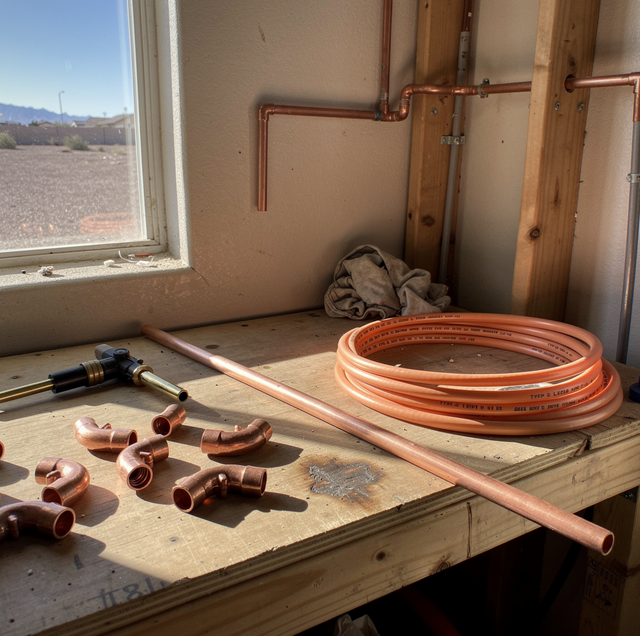
Read MoreOnce corrosion or pinhole leaks show up in more than one spot, you're not looking at a repair anymore. You're looking at a whole-home repipe, and the first real decision is what material goes in the walls: copper or PEX.
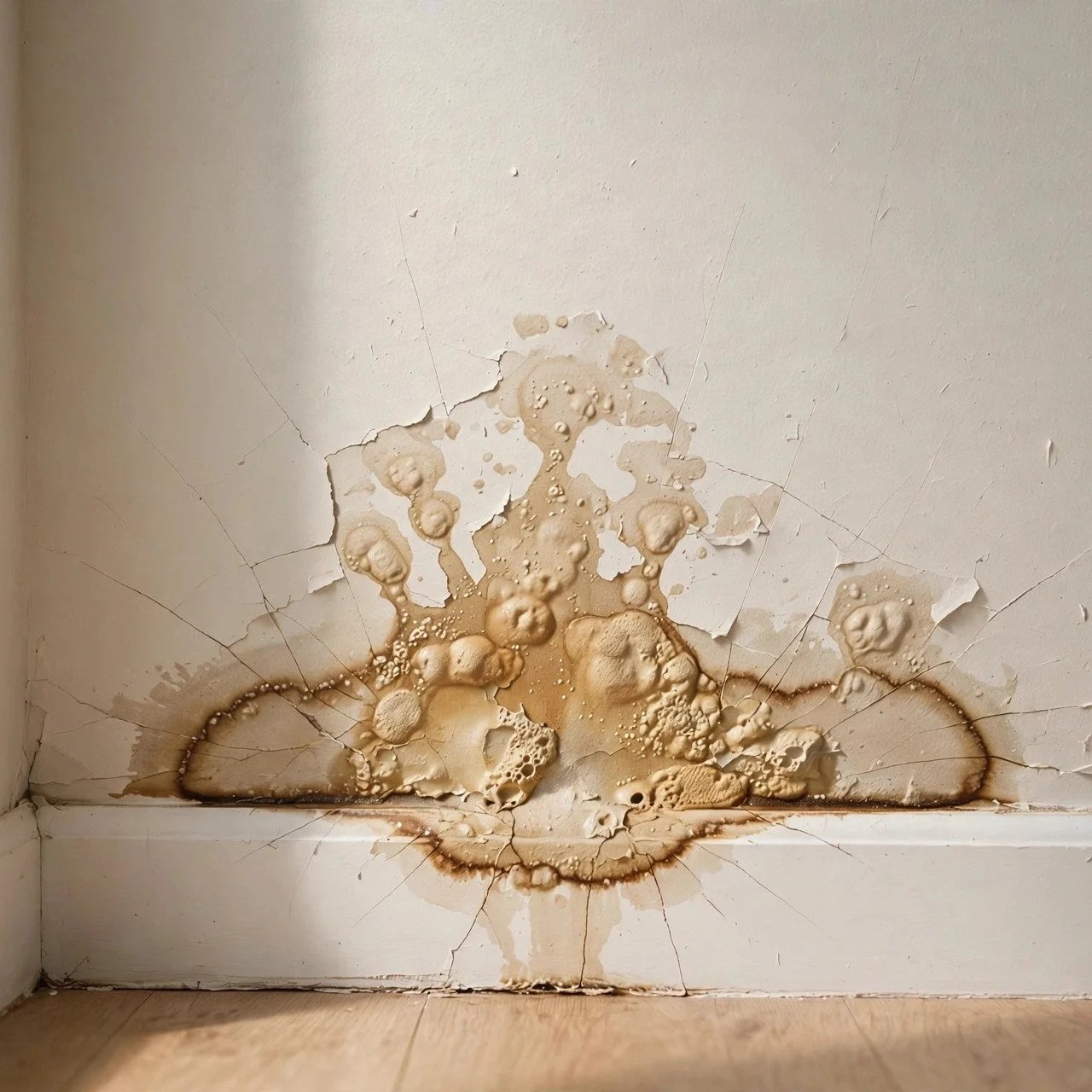
Read MoreA pipe that fails behind drywall rarely announces itself. Water follows gravity and the path of least resistance, so it can travel several feet along a stud or the back of a panel before it shows up as a stain, a soft spot, or a smell.
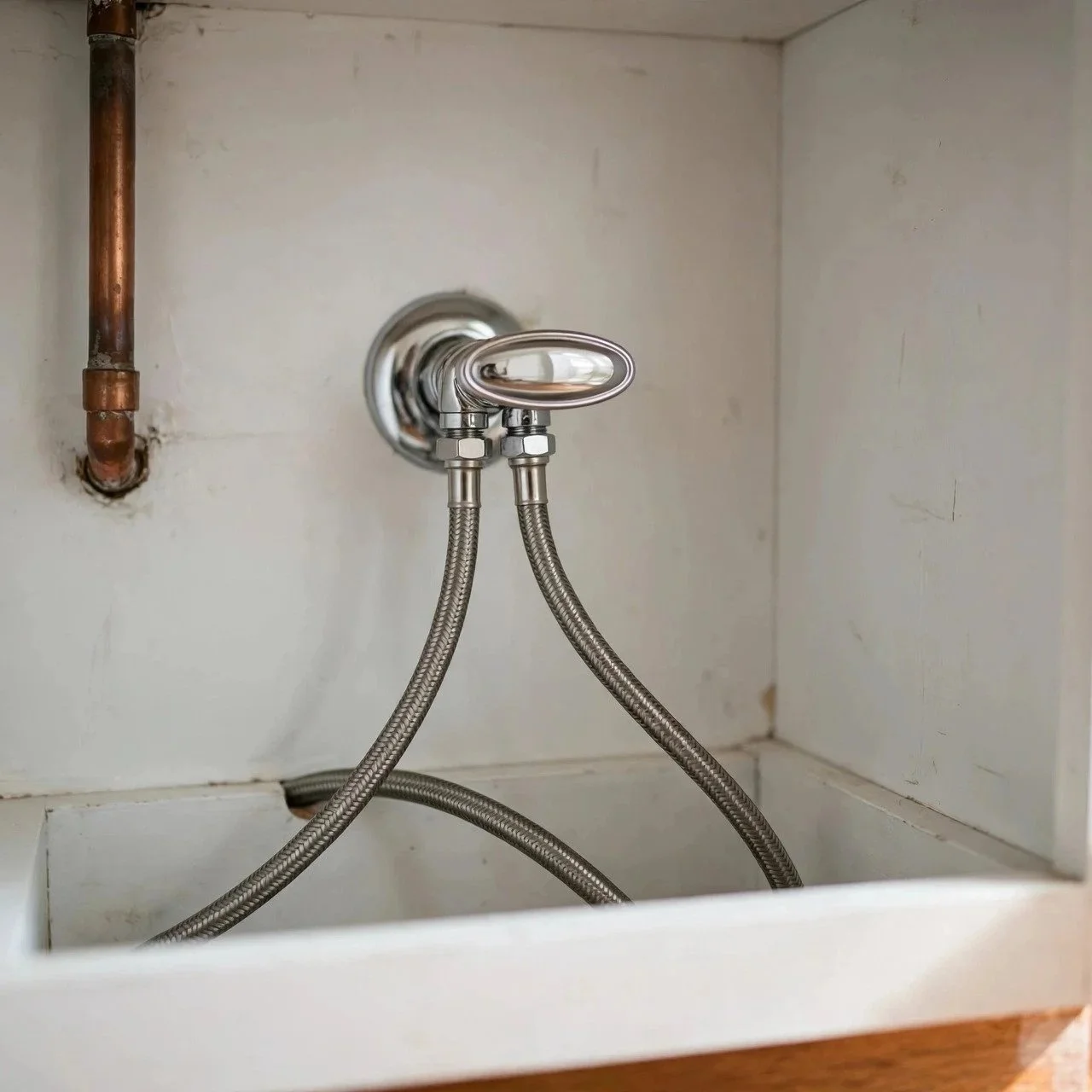
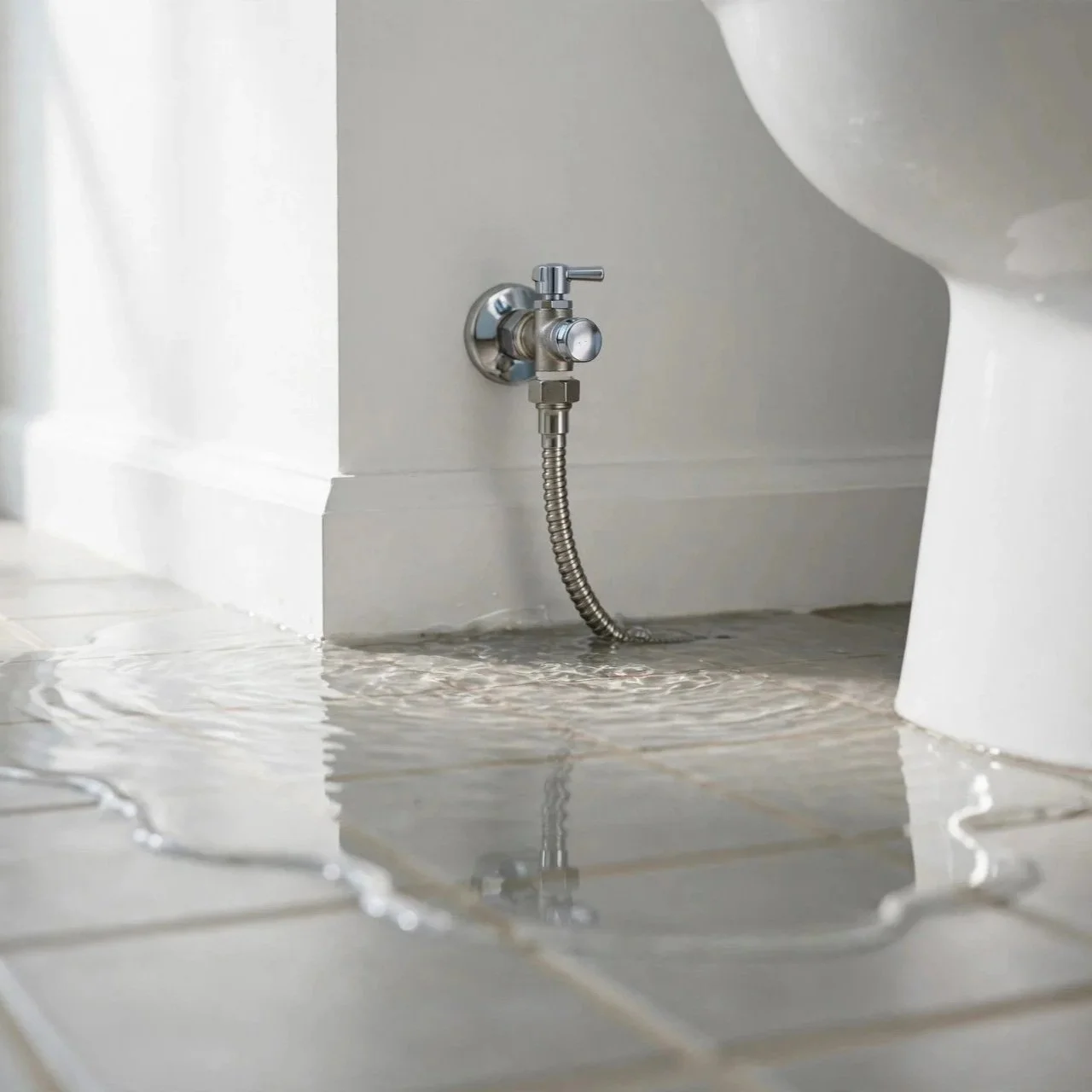
Read MoreA pipe under the kitchen sink lets go, or a toilet supply line splits, and suddenly water is spreading across the floor faster than any towel can keep up.
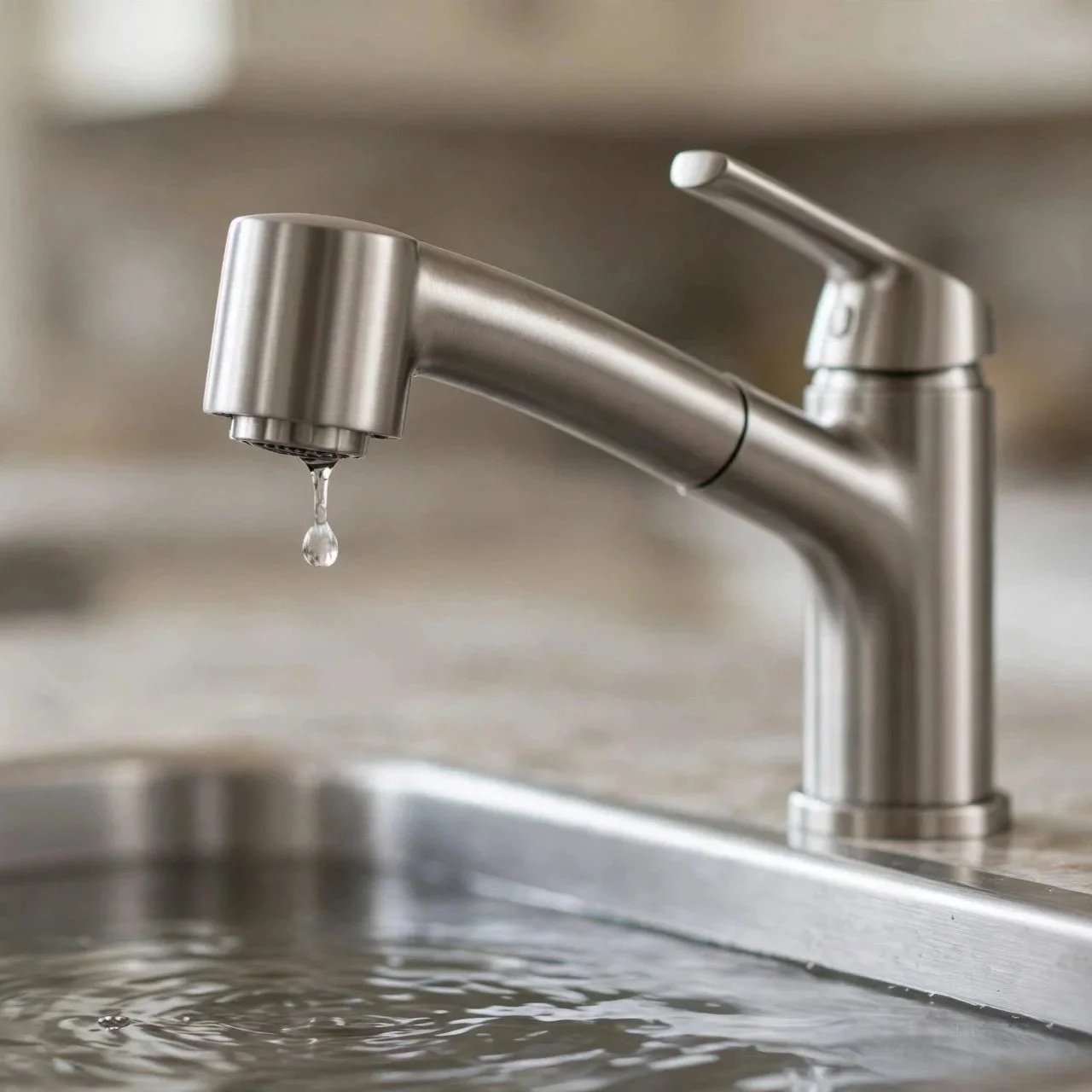
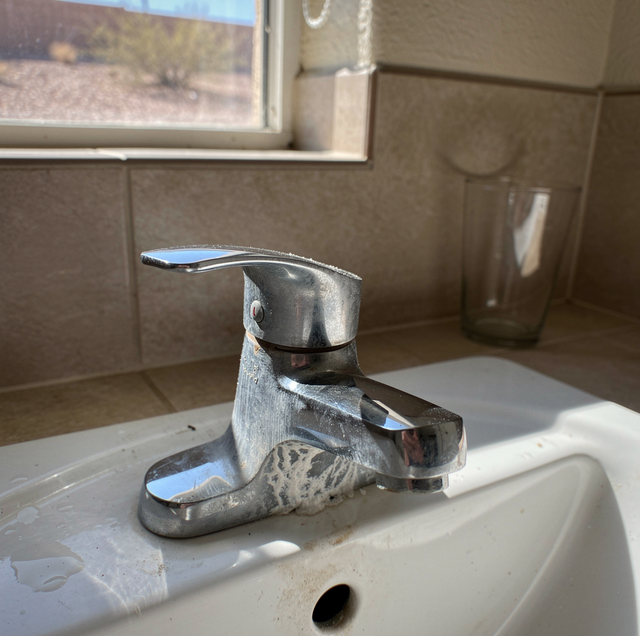
Read MoreA faucet that drips after you have firmly shut the handle is rarely a mystery, even when it feels like one. That steady tap-tap into the sink means a small internal part has worn to the point where it can no longer form a watertight seal against water pressure.
Read MoreA discovered leak is a race against soaking materials, and the first ten minutes decide whether you are drying a floor or replacing one.
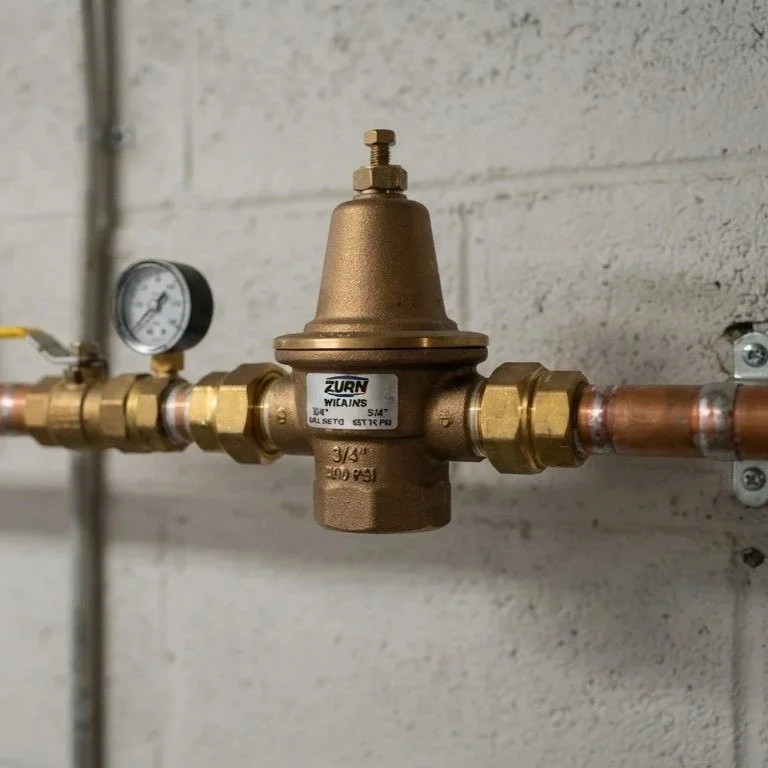
Read MoreA pressure-reducing valve is one of the quietest, most important parts of your plumbing, and most homeowners never think about it until something starts banging, dripping, or wearing out too fast.
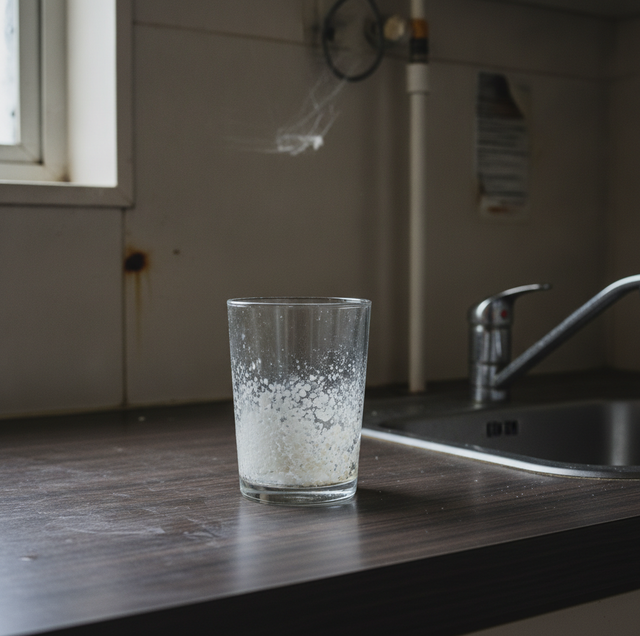
Read MoreSoap works by lifting oils and grime so water can rinse them away, and lather is the visible sign that it is doing that job. Calcium and magnesium sabotage the process.
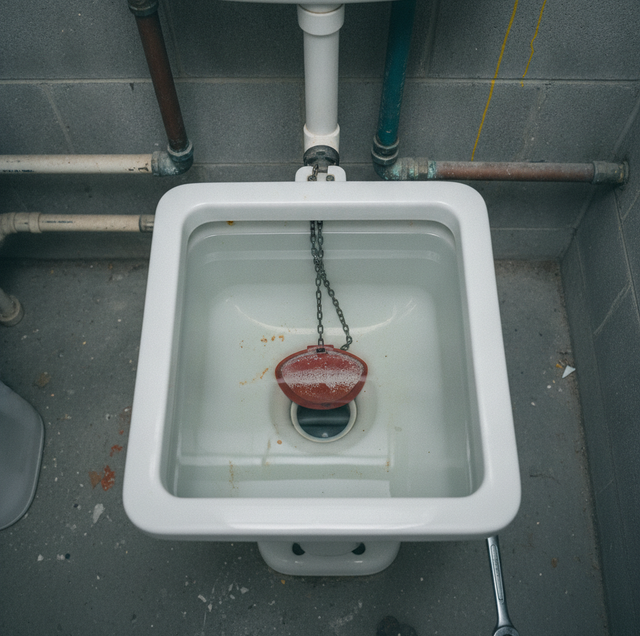
Read MoreHere is why the toilet keeps running: as tank water trickles into the bowl, the water level in the tank slowly drops. The float drops with it, the fill valve senses the lower level and opens to top the tank back up, and the cycle repeats indefinitely.
Read MorePublic water systems disinfect the water they deliver, and the two most common disinfectants both leave a faint chlorine signature.
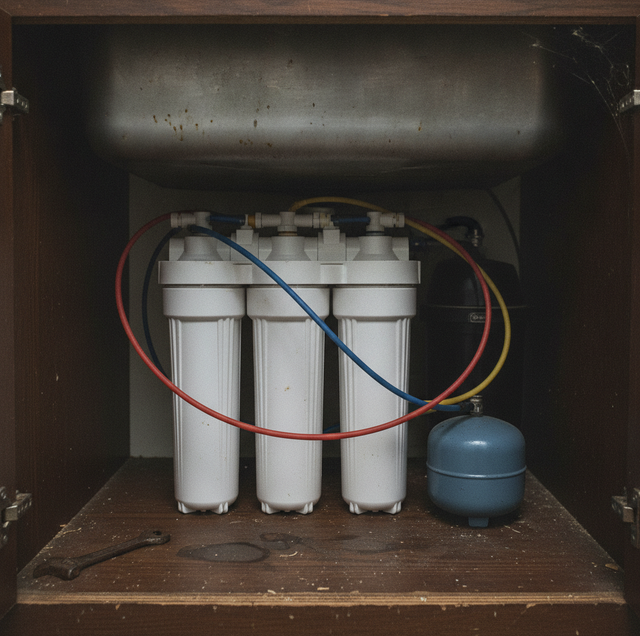
Read MoreShopping for home water treatment turns up two systems that sound interchangeable and are not. One is a big cartridge or tank near where the water line enters the house; the other is a small unit tucked under the kitchen sink with its own faucet.
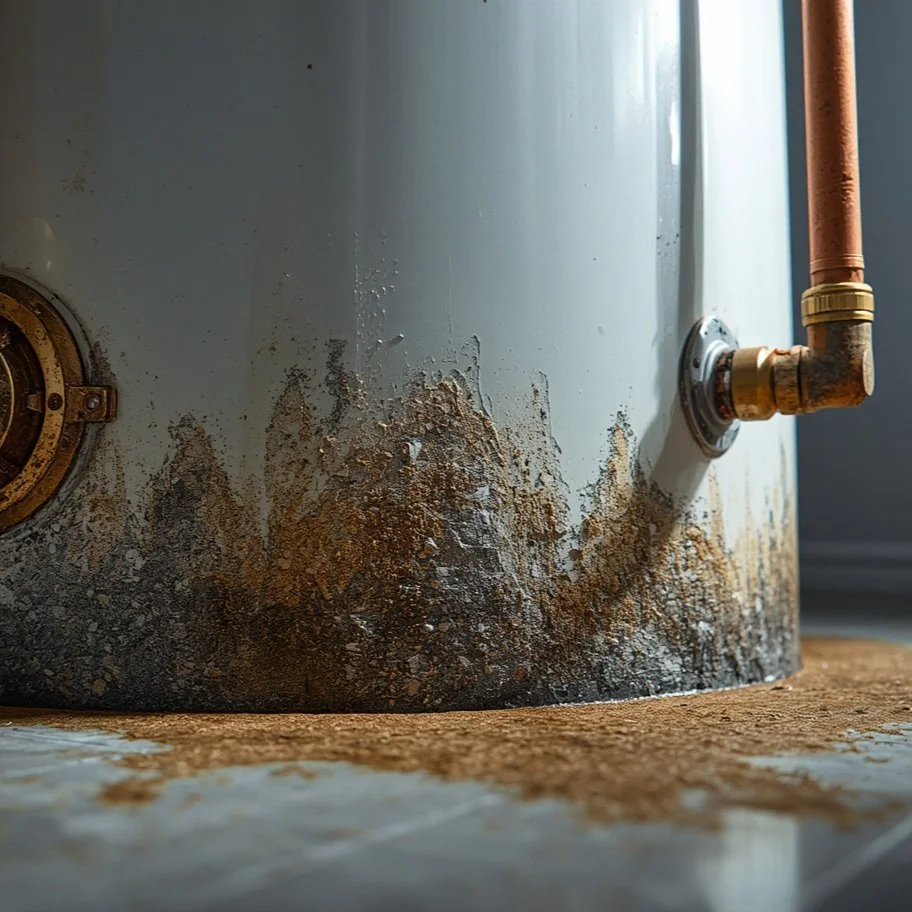
Read MoreHere is what is actually happening. The water coming into your tank carries dissolved minerals, and over time, those minerals, mostly calcium and magnesium, settle out and collect as a layer of sediment on the bottom of the tank, right over the burner or the lower heating element.
Read MoreThis is the leading cause, especially in a hard-water area like the Las Vegas Valley. Minerals settle out of hard water and pile up as sediment on the bottom of the tank.
Read MoreIf the odor is present in both hot and cold water, the source is more likely the water supply itself — the well or the incoming water carrying hydrogen sulfide or a heavy load of sulfate and bacteria before it ever reaches the heater.
Read MoreA tank water heater is the familiar setup: a large insulated tank holds a fixed amount of water and keeps it hot around the clock, ready whenever you turn the tap. When you draw it down, it refills and reheats. A tankless unit holds no stored water. When you open a hot tap, water flows through the unit and is heated instantly by a powerful burner or element as it passes through.
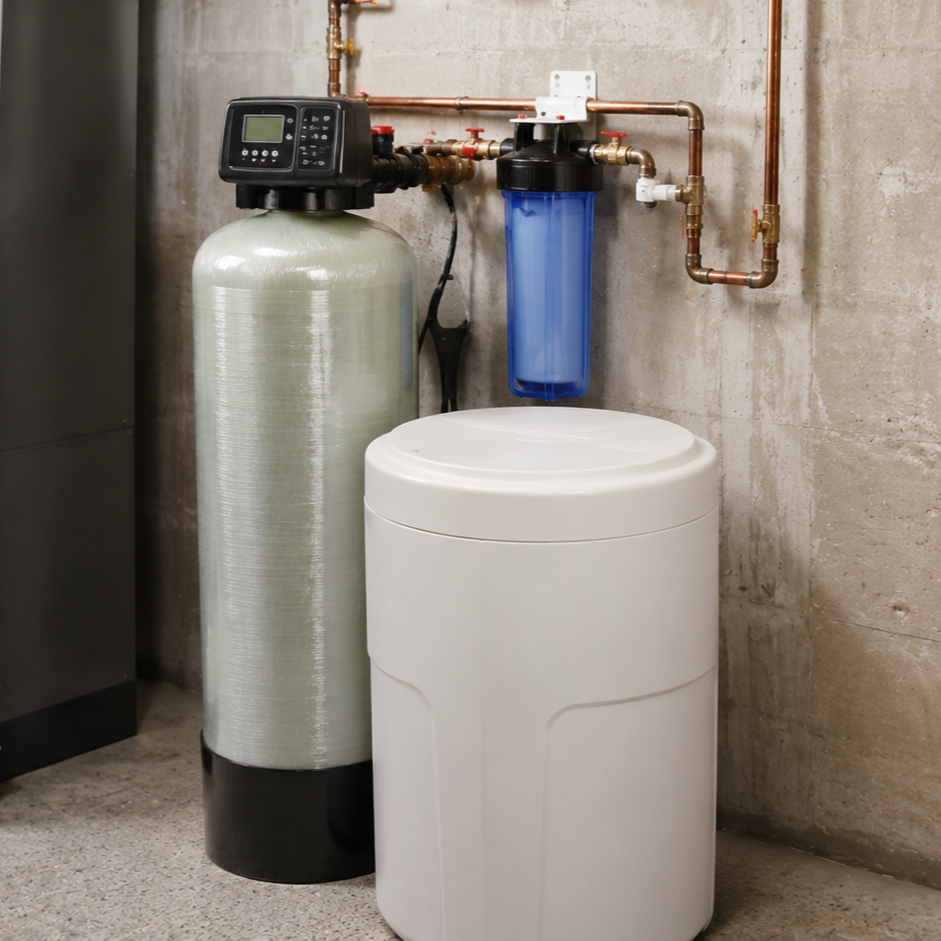
Read MoreA salt-based softener removes the hardness minerals outright through a process called ion exchange. Hard water runs through a tank packed with resin beads that hold sodium ions.
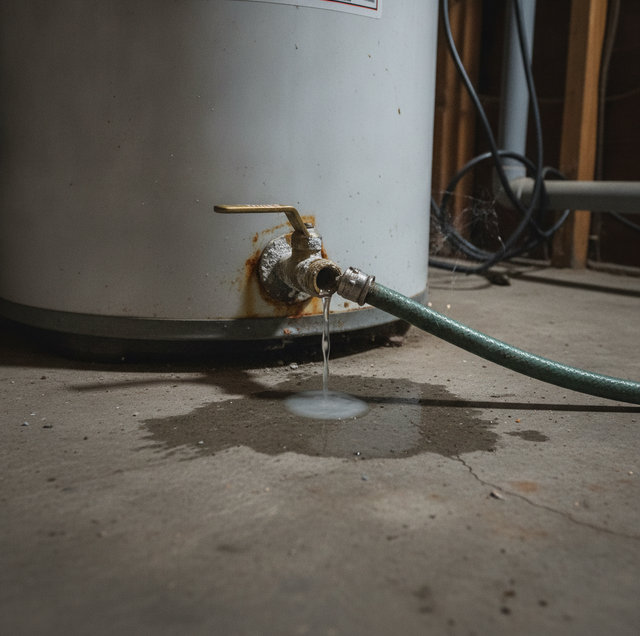
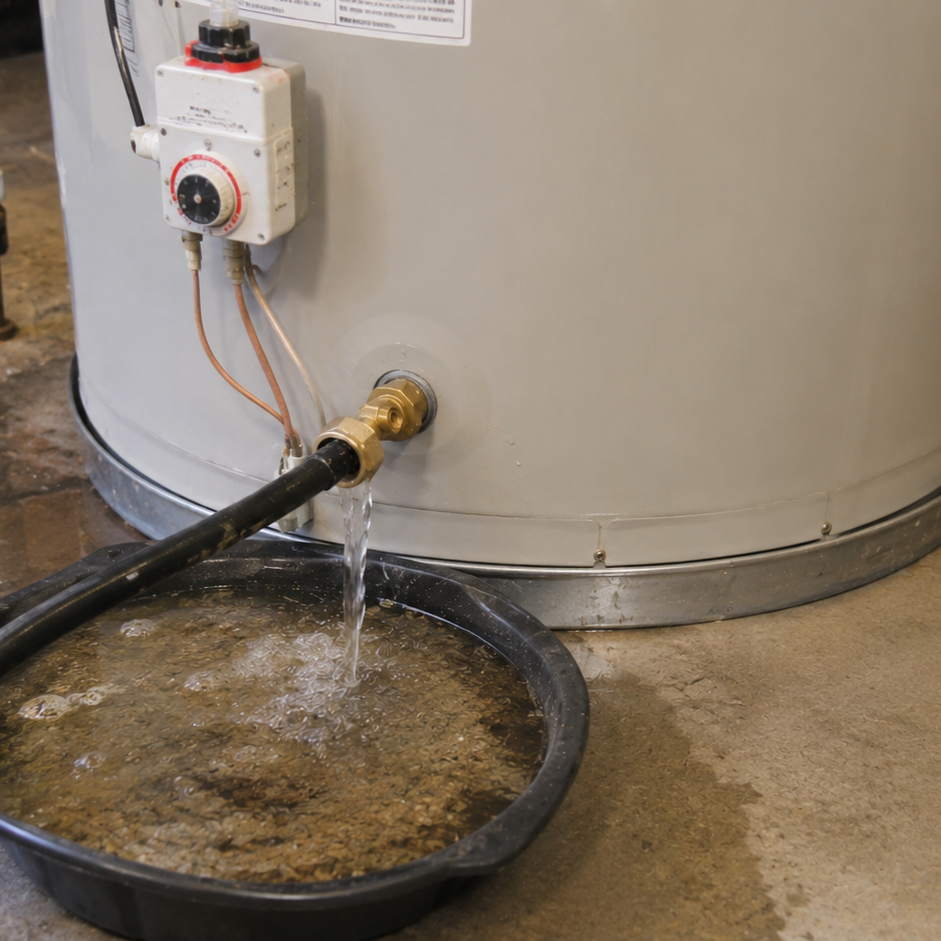
Read MoreFlushing the water heater is one of those maintenance tasks that's easy to skip because the heater seems fine — until it isn't. Doing it on a sensible schedule is one of the simplest ways to keep a tank running efficiently and to add years to its life.
Read MorePrompt leak repairs are more than a convenience—they're a front-line defense against escalating damage.
Read MoreWater softeners step in like bouncers at the door, swapping out calcium and magnesium for sodium or potassium through ion exchange.
Read MoreWhat starts as a tiny breach in a pipe can quietly evolve into cracks, shifting soil, warped flooring, and a domino effect of damage.
Read More