
Preventing Structural Damage Through Timely Slab Leak Repairs
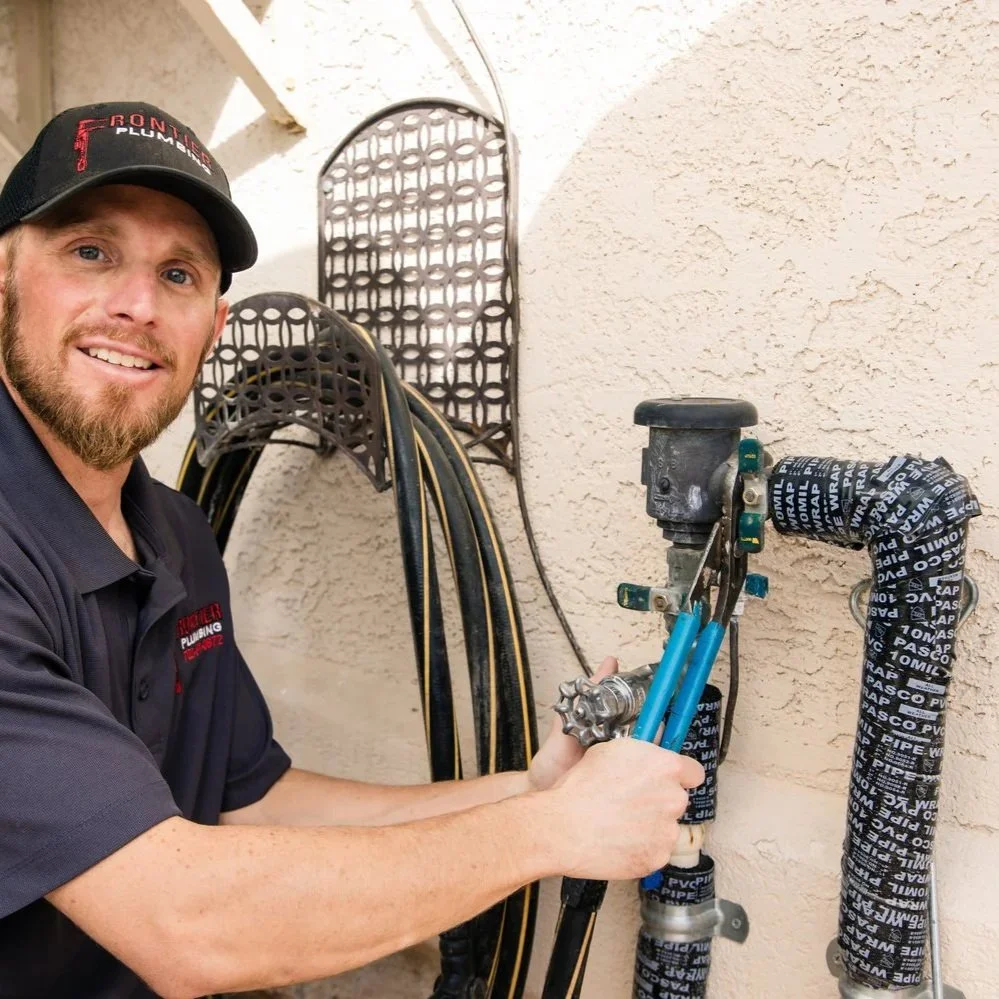
What starts as a tiny breach in a pipe can quietly evolve into cracks, shifting soil, warped flooring, and a domino effect of damage.
Concrete slabs might seem like immovable giants beneath our feet, but water has a funny way of wearing down even the strongest materials. Hidden leaks under the slab don't take long to cause serious trouble. What starts as a tiny breach in a pipe can quietly evolve into cracks, shifting soil, warped flooring, and a domino effect of damage. Slab leak detection and repair offers a powerful toolset to stop problems at the source—before they drag a home's structure into chaos.
Moisture Has a Bad Habit of Sneaking In
Leaks below the slab tend to follow their own rules. Water seeps through hairline cracks, settles beneath flooring, and spreads through walls at its own leisurely pace. Pipes under the slab aren't always easy to monitor, so leaks often go unnoticed until signs start surfacing in places no one expects—like warped wood floors, bubbling paint, or patches of mildew creeping along baseboards.
What may look like minor cosmetic issues usually hints at a deeper problem. Moisture trapped beneath the slab destabilizes the soil beneath the foundation, leading to uneven settling and structural strain. Timely repair turns that slow decline into a quick correction, keeping the structure balanced and the home dry.
Uneven Settling Throws Homes Off Balance
A solid slab depends on consistent support. When water undermines part of the soil base, certain sections begin to sink while others remain level. That imbalance starts tugging at the entire structure. Cracks form in walls, window frames start sticking, and doors may stop closing like they used to.
Left unchecked, the problem spreads. Floors slope, walls lean, and the home's alignment shifts. Once structural movement begins, the cost of correction increases quickly. Finding and repairing the leak early cuts off the cause of the instability, giving the foundation a fair shot at recovery before it demands major intervention.
Piping Materials Show Their Age Beneath the Slab
Older homes with copper, cast iron, or galvanized steel piping under the slab sit at greater risk for leaks. Time takes its toll on those materials, especially when exposed to mineral-heavy water or shifting soil. Corrosion starts small but gains momentum over the years, thinning the pipe walls until tiny breaches appear.
The problem with slab leaks isn't just the water—it's where that water goes and what it touches along the way. The concrete slab becomes saturated, wood framing pulls moisture like a sponge, and hidden mold starts plotting a full-blown invasion. Regular inspections and prompt repairs when leaks are discovered help older homes avoid long-term damage.
Flooring and Finishes Start Telling on the Leak
Water may begin underground, but it doesn't stay there. Leaks from slab pipes often show up as mystery damp spots, warped baseboards, or tile grout that won't stop cracking. Laminate floors bubble, hardwood bows upward, and carpets squish where no spill ever happened.
Once those signs appear, water has likely been present for some time. Acting quickly avoids the slow decay of materials that were never designed to handle moisture from below. Proper leak repair stops the source and helps salvage the finishes before they require full replacement.
Warm Floors Might Not Be a Luxury Feature
Unusual warmth underfoot—especially in homes without radiant heat—often points to a hot-water line leaking beneath the slab. That gentle heat may feel nice on chilly mornings, but it's a red flag. Water heaters work overtime to keep up, energy bills climb, and the surrounding materials quietly absorb heat and moisture.
Left alone, the leak continues soaking the soil, warping the flooring, and damaging the insulation tucked under the slab. A timely repair not only preserves the home's comfort but also restores energy use to normal levels.
High Water Bills Speak Louder Than Words
Slab leaks rarely scream for attention, but they leave a paper trail in the form of escalating water bills. A constant leak below the surface creates a steady demand on the plumbing system, pushing gallons of water into the ground around the home.
Many homeowners spot the financial impact before the physical one. When consumption rises without an obvious reason, the source is often hidden. Repairing the leak stops the flow at its source, taming both utility bills and underground damage.
Mold Doesn't Wait for an Invitation
Moisture trapped under floors or inside walls creates the perfect breeding ground for mold. All it takes is warmth, water, and time. A slab leak provides all three, and once mold spores find their way into drywall, insulation, or carpet padding, they begin spreading with enthusiasm.
Mold causes more than cosmetic trouble. It creates respiratory issues, damages indoor air quality, and often requires professional remediation. Quick action following leak detection limits its reach, containing the problem before it drifts into other areas of the home.
Home Insurance Plays Better With Good Timing
Insurance companies often draw a fine line between covered damage and homeowner responsibility. Catching a slab leak early and documenting it with a licensed professional helps maintain eligibility for claims related to secondary damage. Waiting too long, ignoring early signs, or trying to patch things up without addressing the real issue can lead to unpleasant surprises when the claim adjuster arrives.
Slab leak repair, when documented properly, demonstrates that the homeowner took appropriate steps to protect the property. It sets the stage for smoother interactions with insurers and can help prevent coverage denials.
Modern Detection Keeps Destruction to a Minimum
Old-school slab leak detection once meant tearing up large sections of flooring just to find the source. Modern methods rely on smarter tools. Acoustic sensors listen for hissing or splashing from below. Thermal imaging detects heat anomalies caused by escaping hot water. Moisture meters track wet zones through floors and walls.
Technicians quickly isolate the issue, keeping the repair scope small and avoiding unnecessary damage. With the leak exposed and the right solution applied, the home regains balance without enduring a major construction project.
Rerouting Pipes Reduces Future Risk
Some slab leaks spark broader conversations. Homes with multiple leaks or aging underground plumbing might benefit from rerouting. Pipes are moved into more accessible areas, such as walls or ceilings, leaving the slab out of the equation entirely.
Though it requires more planning, rerouting often brings peace of mind. Repairs down the road become simpler, and the home no longer depends on hidden pipes buried in concrete. For properties with persistent leak problems, it offers a reliable long-term fix.
Routine Monitoring Catches Small Problems Early
Even when no symptoms scream for attention, periodic inspection keeps homeowners ahead of the curve. Listening for faint water movement, checking for unexplained dampness, and watching for shifts in flooring or wall alignment all offer early insight.
Technicians equipped with the right tools can perform noninvasive testing, offering reassurance or alerting homeowners before the leak becomes costly. Staying proactive gives homes a fighting chance to stay dry, level, and free of slab-related complications.
Foundations Thrive With a Little Attention
Slab leaks don't need to progress into full-blown disasters. Catching them early limits the damage to a single small section of the foundation, rather than letting water reshape the entire structure from the ground up. Repairs restore integrity without the stress of structural overhauls, and homes continue standing tall on solid ground.
The blend of modern detection and experienced repair keeps foundations dry and stable. Concrete may seem strong, but water has a way of changing everything—unless someone gets to it first.
Experience hassle-free water leak detection and repair, toilet repairs, faucet repair and replacement, home repiping, and slab leak detection and repair in Las Vegas and surrounding areas with Frontier Plumbing. Our certified technicians take pride in their work and remain transparent with the customers. Call today to learn more.