
Rotten-Egg Smell in Your Hot Water? Causes and Fixes
QUICK ANSWER: A rotten-egg smell in hot water is hydrogen sulfide gas, and it usually comes from a reaction inside the water heater. Naturally occurring sulfate and harmless bacteria in the water react with the magnesium anode rod in the tank, producing the sulfur gas you smell. Because it's tied to the heater, the odor typically shows up only in hot water, not cold. The common fixes are flushing and disinfecting the tank to kill the bacteria, switching to a different type of anode rod that doesn't drive the reaction, or addressing the water supply itself. If only the hot water stinks, the heater is almost always the source.
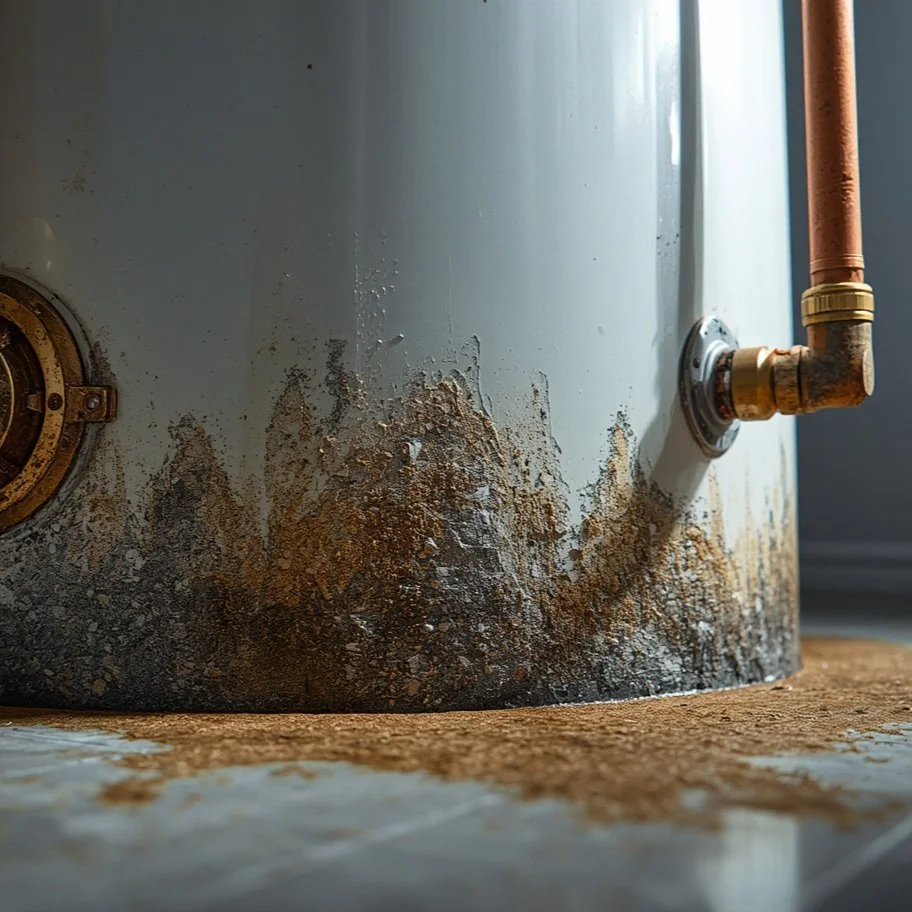
Turn on the hot tap and get a whiff of rotten eggs, and your first thought is that something's wrong with the water. In a sense, it is, but it's rarely dangerous, and it's almost always coming from one specific place. Understanding the reaction behind that sulfur smell makes the fix clear.
The Smell Is Hydrogen Sulfide Gas
That rotten-egg odor is hydrogen sulfide, a gas produced when sulfur compounds in the water get converted by a chemical reaction. In tiny amounts, it's a nuisance smell rather than a health hazard in your washing water, but it's unpleasant enough that nobody wants to live with it. The key to solving it is figuring out where the reaction is happening, and the biggest clue is which tap smells.
Why It's Usually the Hot Water
If the smell is only in the hot water and the cold runs clean, the water heater is the culprit. That's the single most telling sign. Here's the chain of events inside the tank: most water supplies contain some sulfate and a population of harmless sulfate-reducing bacteria. On their own, they don't smell. But a water heater contains a magnesium anode rod — the sacrificial part that protects the steel tank from rust — and magnesium is chemically active. The reaction among the anode rod, sulfate, and bacteria, especially in the tank's warm environment, produces hydrogen sulfide gas. Warm water accelerates bacterial activity, which is why the heater is such a common source.
When Both Hot and Cold Smell
If the odor is present in both hot and cold water, the source is more likely the water supply itself — the well or the incoming water carrying hydrogen sulfide or a heavy load of sulfate and bacteria before it ever reaches the heater. In that case, the fix shifts from the heater to treating the water as it enters the home. Sorting out hot-only versus both is the first diagnostic step because it points to completely different solutions.
| Where the smell is | Likely source | Direction of fix |
|---|---|---|
| Hot water only | Reaction in the water heater | Flush/disinfect, change anode rod |
| Both hot and cold | Water supply (well or incoming) | Treat the water at the source |
| Worse after vacation | Bacteria multiplied in idle tank | Flush and disinfect the tank |
| Returns after cleaning | Anode rod driving reaction | Switch anode rod type |
The Common Fixes
When the heater is the source, there are a few proven approaches. Flushing and disinfecting the tank clears out sediment and kills the bacteria driving the reaction — often with a chlorine-based sanitizing process and a thorough flush. This frequently knocks the smell out, though it can return if the underlying conditions remain.
For a lasting fix, the anode rod is often the lever. Swapping the standard magnesium rod for an aluminum-zinc alloy rod, which is far less reactive in this chemistry, often prevents gas from forming in the first place. Some situations call for a powered (impressed-current) anode that protects the tank without the magnesium reaction at all. The catch is that the anode rod still has to protect the tank from rust, so it's not as simple as removing it — the right replacement keeps the tank protected while ending the smell.
When the water supply is the source, treating the incoming water with appropriate filtration or disinfection to address sulfur affects the whole house, hot and cold alike.
Tip: If the smell flares up after you've been away for a few days, that's a classic sign of bacteria multiplying in a tank that sat idle and warm. A flush and disinfection usually clears it, and running the hot water periodically helps keep it from building back up.
Why You Shouldn't Just Ignore It
Beyond being unpleasant, a persistent sulfur smell is a sign that conditions inside your tank or supply favor bacterial activity, and the same reaction that makes the smell can, over time, contribute to faster anode consumption and tank wear. Addressing it isn't just about comfort; it's about keeping the water heater healthy. And because the right fix depends on correctly identifying the source — heater versus supply — and which anode rod is appropriate for your water, it's worth diagnosing properly rather than guessing, since the wrong move can leave the tank unprotected or the smell unsolved. A quick test you can do at home helps narrow it down: smell the cold and hot water separately and note whether the odor fades after the water runs for a minute. Hot-only and persistent points squarely at the heater and its anode rod, which saves a lot of guesswork before any work begins.
Frequently Asked Questions
Because the smell is being produced inside the water heater. Sulfate and harmless bacteria in the water react with the heater's magnesium anode rod in the warm tank to create hydrogen sulfide gas, which you smell only in the hot water. If the cold water is odor-free, that's a strong sign the heater, not the supply, is the source.
In the small amounts that cause a household odor, hydrogen sulfide is generally a nuisance rather than a health hazard in washing water, though it's understandably unpleasant. A strong, persistent sulfur smell is worth addressing, and if you're ever concerned about your water quality, testing the supply is the way to be sure of what's in it.
If the heater is the source, flushing and disinfecting the tank to kill the bacteria often helps, and switching the magnesium anode rod to a less reactive aluminum-zinc rod commonly prevents gas from forming. If both hot and cold smell, treating the incoming water supply is the fix instead. Identifying the source first determines which approach works.
No, that's not a safe fix. The anode rod protects the steel tank from rusting, so removing it would end the smell but expose the tank to corrosion and shorten its life. The right approach is to replace it with a different type of rod that doesn't drive the reaction while still protecting the tank.
Because flushing kills the current bacteria but doesn't change the underlying chemistry. If the magnesium anode rod and the water conditions still favor the reaction, the bacteria and gas can return. That's why a lasting fix often involves changing the anode rod type or treating the water, not just flushing.
A softener doesn't directly create the smell, but the chemistry it produces can sometimes encourage the reaction in certain water, and softened water can interact with the anode rod differently. If you have a softener and a sulfur smell, that's worth mentioning when diagnosing the issue, since it can influence which anode rod is the best choice.
Track the Smell to Its Source
A rotten-egg smell in your hot water is hydrogen sulfide gas, usually caused by a reaction between the anode rod, sulfate, and bacteria in the warm tank. The fix — flushing and disinfecting, replacing the anode rod, or treating the supply — depends on whether the odor is in the hot water alone or in all water. Identify the source first, and the smell can be cleared for good without leaving the tank unprotected.
Tired of rotten-egg-smelling hot water? — Get the source identified and the right fix applied, from a tank flush to the correct anode rod. Frontier Plumbing serves Las Vegas, Henderson, and Enterprise. NSCB #286781. Call (702) 602-6705.