
Warning Signs of a Slab Leak You Shouldn't Ignore
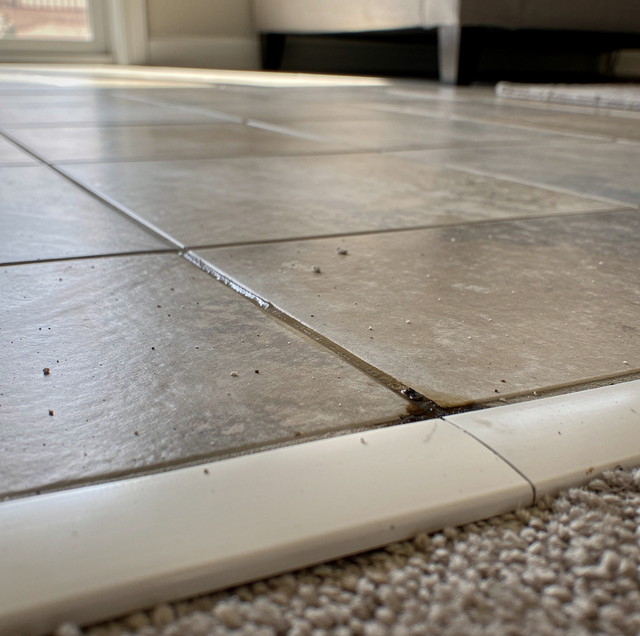
You walk across the living room barefoot, and one patch of tile feels warmer than the rest, almost like a heating vent is running beneath it, except there is no vent there. Or you glance at the water bill, and it has jumped 40% with nothing in your routine to explain why. Neither looks dramatic. Nothing is flooding, nothing smells wrong yet, and the floor still looks normal. That quiet, unremarkable quality is what makes a slab leak different from almost every other plumbing failure: the pipe is buried under solid concrete, and by the time a sign becomes obvious, water has often been escaping for weeks or months.
A slab leak is a break in a water line running underneath or through a home's concrete foundation. Homes built directly on a concrete pad route hot and cold supply lines through or beneath that slab rather than up through a crawlspace, so when a pipe corrodes, cracks, or rubs through, the leaking water has nowhere open to go. It spreads sideways beneath the concrete, follows the path of least resistance through soil and gravel, and pushes moisture upward wherever it finds a seam or gap around a plumbing penetration. Learning to read the early signals, and why each one shows up, gives you a real chance to catch the problem while the fix is still a targeted repair rather than a foundation-scale project.
A Warm Spot on the Floor That Has No Business Being Warm
This is one of the most reliable early tells, and it points to one specific failure: a hot water line running through the slab is leaking. Hot water seeping beneath the concrete transfers heat to the surrounding slab, and the concrete conducts that heat upward to the surface. Walk the floor in socks during a quiet part of the day, when the air conditioning or heater hasn't just cycled and masked subtle temperature differences, and pay attention to any patch that feels distinctly warmer than the surrounding flooring. Tile and stone conduct heat efficiently, so the warm spot often reads clearly; carpet and vinyl insulate more, so the same leak can hide longer before you'd ever notice it with a bare foot.
A cold water line leak under the slab does not produce this effect, since there's no temperature difference to transfer. Cold-line slab leaks tend to announce themselves through the other signs on this list instead, through sound, moisture, and consumption rather than temperature.
Water Pooling Where It Shouldn't Be, Indoors or Out
Water that has traveled far enough under the slab eventually needs somewhere to surface. Indoors, that can look like moisture seeping up along a baseboard, a damp patch at the edge of a room with no obvious source above it, or water bubbling up through a crack in the tile grout. Outdoors, it can show up as an unexplained soggy patch of ground along the foundation line, especially one that stays wet during a dry stretch when nothing nearby has been watered. Because the water is following underground paths rather than falling straight down from a visible source, the spot where it surfaces is not necessarily directly above the break in the pipe. It's telling you a leak exists somewhere upstream, not marking the exact location.
A Water Bill That Climbs With No Change in Habits
A slab leak under pressure runs continuously, day and night, whether anyone in the house is using water or not. That steady, invisible draw adds up fast on a meter, even from a hole no larger than a pinhole. If your bill jumps noticeably above your usual range and nobody added a new appliance, filled a pool, or watered more, that gap is worth taking seriously. Compare the bill to the same month a year prior rather than last month, since seasonal shifts in outdoor watering can otherwise muddy the comparison.
The water-meter test turns this suspicion into a clear answer. Shut off every fixture and water-using appliance, ask everyone to avoid flushing or running water for an hour or two, then read the meter before and after. Most meters include a small low-flow indicator, often a spinning triangle or star, that moves with even a slow trickle. If the reading changes with everything off, water is leaving the system somewhere, and a line under the slab is one of the likeliest places for it to be doing that unseen.
The Sound of Running Water When Nothing Is Turned On
Stand in a quiet room, especially one near the suspected spot, with every faucet, toilet, and appliance off, and listen. A hiss, a faint gurgle, or something that sounds like water trickling behind a wall or under the floor is pressurized water forcing its way through a break in the system, and pressurized supply lines carry that sound efficiently through concrete and pipe. This sign is easy to miss during a busy day with the television on or the air handler running, so it's worth a deliberate quiet check, particularly late at night when the house settles.
Cracks Appearing in Flooring, Walls, or the Foundation Itself
Water that saturates the soil beneath a slab changes how that soil supports the concrete above it. Depending on the soil type, saturated ground can wash out and settle, leaving unsupported gaps beneath sections of slab, or it can expand and push upward. Either movement can telegraph up through the structure as new cracks in tile, hairline cracks through drywall near a corner, a door or window that starts sticking when it used to close fine, or a visible crack in an exposed section of the foundation. None of these appear the first week a leak starts; they show up after water has had time to change the ground underneath, which is one reason a slab leak caught at this stage tends to involve more repair scope than one caught earlier.
Mold, Musty Odors, or Mildew With No Obvious Source
A slab leak keeps the ground and the underside of flooring materials consistently damp, and that dampness works upward through carpet padding, baseboards, and drywall before a visible stain ever appears. A musty, earthy smell with no other explanation, or mildew forming along a baseboard that never gets splashed, points to trapped moisture rising from below rather than a surface spill. Carpet that feels damp or smells different in a specific spot, especially near an exterior wall or where you've also noticed warmth or sound, ties several signs together at once.
A Water Heater That Seems to Run Constantly
If your water heater cycles on more often than it used to, and nobody has changed their hot water habits, a hot-water slab leak can be part of the reason. The tank keeps reheating water that quietly drains out through the break, so it works harder to maintain the temperature you've set. This sign is easy to dismiss as just an aging water heater, but when paired with a warm floor patch or a rising bill, it points to the same source.
Why These Signs Deserve a Fast Response, Not a Guessing Game
None of these signs, taken alone, proves a slab leak with certainty. A warm floor could be sunlight through a window; a musty smell could trace back to a damp towel left in a hamper. What makes them worth acting on is what happens when you don't: water under a slab does not pause or fix itself, and every week it keeps flowing is another week it can undermine soil support, feed mold growth in wall cavities, and, in a hot-line leak, run up energy costs from a water heater working overtime. A leak that could have been a contained pipe repair in month one can turn into foundation and flooring work by month six, simply because the water had more time to travel before anyone traced it.
Confirming a suspected slab leak and locating it precisely is licensed-plumber work, not a DIY project. A professional uses acoustic listening equipment to trace the sound of escaping water through concrete to its loudest, closest point, paired with pressure testing on the hot and cold lines separately to identify which one failed. Thermal imaging can also map a hot-line leak by reading the warm plume it creates in the slab. Once pinpointed, the repair usually takes one of two forms: a small, targeted section of the slab is opened, and the pipe segment is replaced, or the plumber reroutes the line entirely through an accessible path, such as a wall or ceiling, rather than back through the concrete. Which approach makes sense is a conversation for the professional doing the diagnostic work, not a decision to make from a warm spot on the floor alone.
What Increases the Odds of a Slab Leak Over Time
A few conditions make a slab leak more likely, and understanding them helps explain why some homes experience it more than once. Corrosion is the most common cause, and water chemistry directly affects how quickly it progresses; a high mineral load accelerates scale buildup inside a pipe and can accelerate corrosion at joints and fittings. Age matters too, since copper lines installed decades ago are closer to the end of their service life than pipe installed last year. Ground movement from soil that expands and contracts with moisture changes puts ongoing stress on a rigid pipe with no room to flex, and a pipe installed with a sharp bend or resting against gravel or rebar is more prone to a wear point at that exact spot.
Frequently Asked Questions
There's no fixed timeline, but many hot-line slab leaks are discovered within a few weeks to a couple of months, once the water bill or a warm floor patch becomes noticeable enough to investigate. Cold-line and very small pinhole leaks can run considerably longer, sometimes six months or more, since they skip the temperature clue and rely on bill creep or sound to get noticed.
A slab leak itself is a water-line issue, but the ground movement and soil saturation it causes can, in rare cases, stress a nearby gas line running through the same slab, so a plumber checking a water leak in an older home will often also check gas line integrity nearby as a precaution.
Coverage usually depends on whether the damage is classified as sudden or gradual. Many policies cover damage to flooring or drywall, but the cost of accessing and repairing the pipe itself is often excluded, and a leak that runs for months is more likely to be treated as a maintenance issue than as a sudden event.
Not necessarily. Opening a small, precisely located section of concrete can sometimes cost less than rerouting an entire line through walls or a ceiling, but rerouting avoids cutting into the foundation again and can make sense when the existing pipe run shows age in more than one spot, so the choice is case by case rather than a fixed rule.
In advanced, long-running cases, sustained water under a slab can erode supporting soil enough to create voids beneath sections of the foundation, which is why cracking in flooring or walls is treated as a serious sign rather than a cosmetic one. This level of impact typically takes an extended, undetected leak to develop, which is why catching the earlier signs matters.
Rooms built over the main runs of hot and cold supply lines, often kitchens, bathrooms, and laundry rooms, tend to show signs of warmth, sound, or moisture earliest, since that's where the most water volume moves through pipes embedded in or under the slab. A leak under a rarely used hallway or a garage slab can go unnoticed for longer simply because nobody spends much time there barefoot to feel a warm patch.
Schedule a slab leak inspection — a technician uses acoustic and thermal detection to pinpoint a hidden leak before it spreads further under your foundation. Frontier Plumbing serves Las Vegas, Henderson, and Enterprise. NSCB #286781. Call (702) 602-6705.