
Reliable Solutions for Dripping and Faulty Faucets
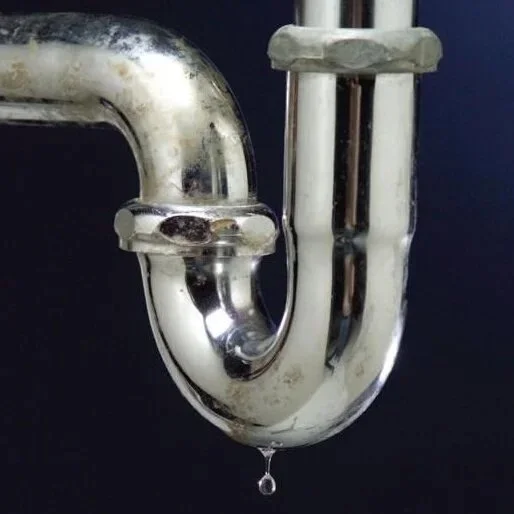
From a constant drip that keeps the kitchen awake at night to a faucet handle that spins like a roulette wheel, faucet troubles show up loud, leaky, and often.
Faucets may be small in size, but they punch above their weight when things go wrong in the household. From a constant drip that keeps the kitchen awake at night to a faucet handle that spins like a roulette wheel, faucet troubles show up loud, leaky, and often. Tackling these problems the right way brings back both function and peace to kitchens and bathrooms.
Identifying The Culprits Behind The Drip
A faucet that won't stop dripping often signals internal wear. Compression faucets usually blame a worn-out rubber washer. Cartridge and ceramic disk models tend to falter when their seals crack or when sediment finds its way into the mix. Years of twisting, turning, and exposure to hard water take their toll.
Replacing these small but mighty components solves the drip without replacing the whole fixture. In many cases, the cartridge or valve seat can be swapped out quickly, restoring full function without touching the sink or countertop. A steady, silent faucet becomes the new normal again—no more midnight metronomes.
Fixing Loose Or Sticky Handles
When faucet handles feel wobbly or stick halfway through a turn, internal threads or valves may be on their last leg. Handles wear down over time, especially when minerals build up or lubrication fades. Some start squeaking like haunted house doors, while others loosen until they barely connect to the stem.
Repair often means tightening the set screw, cleaning the inside of the handle, or replacing worn components with new ones. New cartridges or stems help handles glide like they're fresh from the box, while updated finishes turn an eyesore into a statement piece. With each repair, the sink becomes easier to use and much quieter.
Replacing Worn Washers And O-Rings
Washers and O-rings live behind the scenes, but they take the brunt of the work. Each time a faucet turns on or off, pressure pushes against these rubber pieces. Over time, they compress, crack, or lose shape. The result: leaks around the base, dripping from the spout, or water sneaking out from beneath the handle.
Replacing these parts requires precision work, often involving disassembling the faucet body. Technicians match the exact washer type and size to the fixture, avoiding future leaks caused by poor fits. Once installed, the faucet seals tightly, and leaks become a thing of the past—not just patched, but truly fixed.
Dealing With Mineral Buildup
Hard water doesn't hold back. Over time, minerals like calcium and magnesium can accumulate inside the faucet, around the aerator, or in the valve body. They build up slowly, choking off water pressure and turning smooth motion into gritty resistance.
Technicians clean aerators, descale interior parts, and flush lines to remove deposits. In cases where buildup causes permanent internal damage, replacement cartridges or new fixtures provide a clean slate. The restored faucet runs smoothly, and water pressure comes back strong—without the need for a chemistry degree at the sink.
Addressing Unwanted Sprays And Splatters
A faucet shouldn't surprise anyone with a rogue sideways spray, but clogged or damaged aerators often have other plans. Mineral buildup inside the mesh changes water direction, breaking a straight stream into a chaotic mess that splashes the entire sink area.
Cleaning or replacing the aerator returns order. With a clean screen in place, the water flows smoothly and predictably, avoiding the unintended backsplash that once soaked sleeves and countertops. The fix might be small, but the daily difference feels enormous.
Solving Temperature Control Issues
If the hot side barely delivers, or the cold side surprises with a splash of winter, the issue may lie in a misaligned cartridge or a blocked valve. Sometimes debris collects inside the faucet or the pipes leading to it, affecting the balance between temperature and pressure. Aging cartridges lose calibration, drifting away from the mix originally intended.
Replacing temperature control components or clearing internal obstructions restores comfort. Once the temperature responds as it should, the faucet stops playing tricks and starts cooperating with morning routines. Baths run more smoothly, dishes rinse cleaner, and no one flinches at the tap anymore.
Handling Faucet Base Leaks
Leaks that appear at the base of the faucet often come from beneath the countertop. A worn gasket or loose mounting hardware allows water to escape during use, soaking the area below and leaving puddles around the fixture. Over time, this moisture can damage wood cabinets and promote mold growth.
Technicians lift the faucet, reseal the base, and replace any failing components inside the mounting assembly. Once the base seals tight again, leaks stay contained, and the area under the sink returns to being just a storage space—not an impromptu indoor swamp.
Knowing When Replacement Makes More Sense
Sometimes, a faucet passes the point of no return. Corrosion, deep cracks, or outdated connections make repairs a short-term bandage rather than a real fix. In those cases, replacing the faucet brings both reliability and style upgrades. New models include smart water-saving features, sleeker designs, and easier maintenance.
Replacement means choosing a fixture that fits both the sink and the household's routine. Whether opting for a high-arc pull-down model in the kitchen or a waterfall spout in the bathroom, new installations feature tight seals, high pressure, and smooth motion. The faucet becomes a feature, not a frustration.
Tightening Loose Faucets
A faucet that shifts or swivels out of place with the lightest touch usually has loose mounting hardware below the sink deck. Over time, repeated use loosens the nuts or brackets holding it in place. Left alone, the movement can cause stress on the supply lines or wear down seals faster than usual.
Technicians crawl beneath the sink to secure mounting nuts and re-align the fixture. A once-wobbly faucet stands steady again, and the kitchen or bathroom becomes a place of calm instead of constant adjustment. No more chasing the faucet across the counter just to wash hands.
Resolving Noisy Faucet Operation
Hissing, whistling, or vibrating faucets often indicate irregular water pressure or worn internal parts. Some sounds come from loose washers, while others signal a failing cartridge fluttering under flow. Sometimes, pipes themselves rattle due to poorly secured connections or water hammer.
Professionals isolate the noise and tackle its cause, whether by replacing internal components or adding dampeners to control pipe movement. Silence returns, and the faucet becomes less of a background soundtrack and more of a functional fixture.
Modernizing Fixtures For Better Water Conservation
Outdated faucets often use more water than necessary. Models from decades past may lack aerators or flow-restricting technology, leading to unnecessary waste with each use. New fixtures cut water usage without sacrificing performance, saving on utility bills.
Installing a low-flow faucet with modern aeration balances conservation with comfort. Each drop carries more impact, and daily habits require no adjustment. The sink works better while quietly using fewer resources—an upgrade for both function and sustainability.
Preventing Future Wear With Proper Materials
Faucets made from solid brass or stainless steel hold up better over time compared to cheaper materials that corrode or pit. Investing in quality components prevents early failure, particularly in households with hard water or high usage.
Professionals help select fixtures designed to handle environmental challenges. With the right materials in place, the faucet resists corrosion, holds pressure, and maintains its finish. Repairs become less frequent, and the fixture remains attractive for years rather than months.
Simplifying Maintenance Through Smart Design
Modern faucets are built with maintenance in mind. Quick-connect supply lines, universal cartridge systems, and accessible mounting hardware reduce the time and effort required for both installation and maintenance. Some models even allow cartridge replacement without removing the entire fixture.
Choosing repair-friendly designs reduces long-term costs and hassle. When parts wear down, replacements are installed quickly, and the faucet returns to full power without days of delay or cabinet gymnastics. Thoughtful design makes life easier for homeowners and plumbers alike.
Restoring Everyday Convenience With Professional Repair
A well-functioning faucet brings comfort, cleanliness, and simplicity to daily routines. Leaks, squeaks, and loose parts may start small, but they add up quickly. Faucet repair and replacement services bring those systems back to their best—quiet, smooth, and completely reliable. Every twist of the handle becomes a reminder of how satisfying a good fix can feel.
Experience hassle-free water leak detection and repair, toilet repairs, faucet repair and replacement, home repiping, and slab leak detection and repair in Las Vegas and surrounding areas with Frontier Plumbing. Our certified technicians take pride in their work and remain transparent with the customers. Call today to learn more.