
Reducing Hard Water Problems with Professional Softener Installation
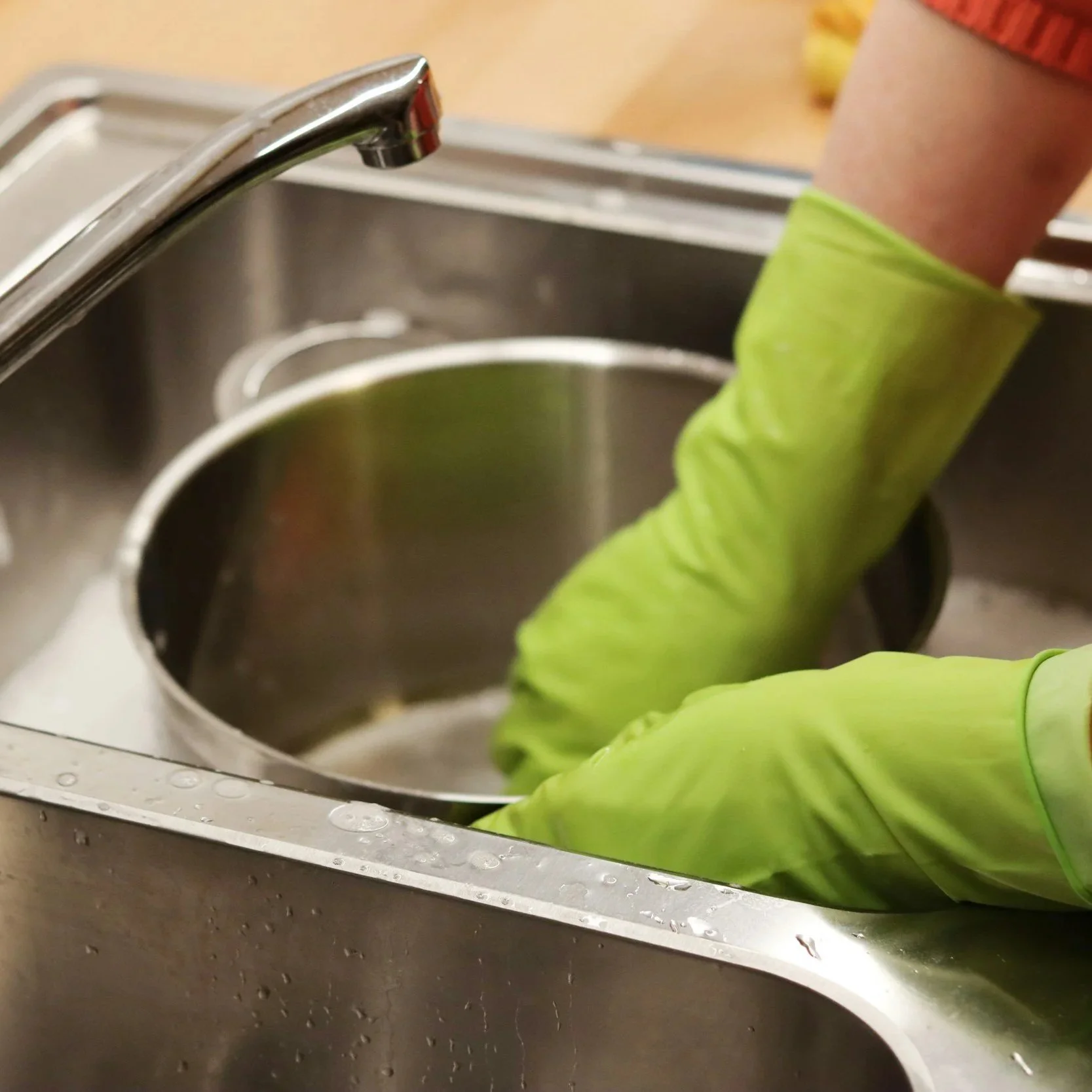
While not dangerous to health, hard water delivers a steady stream of headaches to homeowners.
Hard water sneaks up like a prankster with mischief. It coats shower walls, clings to faucets, dulls dishes, and turns laundry into stiff, scratchy puzzles. While not dangerous to health, hard water delivers a steady stream of headaches to homeowners. Calcium and magnesium minerals are the main culprits, and they love nothing more than clinging to every surface in reach. Fortunately, water softeners step in with the perfect counterattack—quietly transforming water into something far more cooperative.
Where Hard Water Causes Trouble
Hard water starts its shenanigans in the pipes, depositing scale like graffiti in an alleyway. That buildup narrows plumbing passageways, reduces water flow, and adds strain to fixtures. Over time, valves begin sticking, gaskets wear down, and even the most powerful showerhead turns into a sad drizzle.
Water heaters catch the brunt of it. Mineral buildup forms an insulating layer over heating elements, making it harder for the unit to do its job. That translates to longer wait times, lukewarm water, and higher energy bills. It’s a slow sabotage with noticeable consequences.
Appliances in the kitchen and laundry room don’t escape the mineral parade. Dishwashers lose their sparkle, washing machines leave residue on clothes, and coffee makers quietly start brewing gritty morning surprises. Anything with a heating coil or valve has a reduced lifespan and questionable performance.
Hard Water Leaves Its Mark
Residue is hard water’s calling card. It dries on dishes, dulls glasses, and leaves behind a cloudy haze that no polish can remove. Bathroom sinks wear chalky rings, while tubs sport a gray film that makes bubble baths less relaxing and more labor-intensive.
Soap and shampoo struggle to lather in hard water, making personal hygiene feel like a wrestling match. The soap scum left behind on skin and hair isn’t just unsightly—it’s a real barrier to feeling clean. Hair becomes tangled, dull, and weighed down. Skin feels dry and itchy, even after a shower that should have been refreshing.
In the laundry room, fabric softener works overtime trying to counteract the stiffness. Clothes fade faster, towels lose their fluff, and whites never look quite white. Hard water robs every fabric of its potential, turning fresh laundry into a disappointment.
Water Softeners Bring Balance
Water softeners aren’t just fancy tanks tucked away in a corner—they’re quiet defenders of comfort and efficiency. Using a process called ion exchange, they replace calcium and magnesium ions with sodium or potassium, effectively neutralizing hard water’s edge.
That simple switch transforms the water’s behavior. No more scale in the pipes, no more film on dishes, and no more residue clinging to the shower door. Water flows freely, works better with soap, and stops leaving surprises behind. It’s the difference between wrestling with water and working with it.
Professional Installation Makes A Difference
Softener systems need to be sized and installed correctly to work their magic. Too small, and the system regenerates constantly. Too large, and it wastes resources. Professional installers calculate household water usage, local hardness levels, and specific plumbing layouts to pick the right model for the space.
Once installed, a softener integrates into the plumbing at the entry point, treating all incoming water before it touches a faucet. That means every room benefits—laundry, kitchen, bathroom, and even the outdoor hose. Plants may prefer unsoftened water, so a bypass valve gives flexibility when needed.
Professionals also handle adjustments and program cycles and explain the regeneration process in terms that don’t require a PhD in fluid dynamics. The result is a system that fits the home like a glove, operates smoothly, and stays out of the way.
Improved Appliance Performance
Water softeners help appliances operate the way their designers intended. Without mineral deposits gumming up the works, dishwashers clean more thoroughly, washing machines rinse more efficiently, and water heaters heat without the sound of sizzling scale.
Heating elements in appliances last longer, internal parts don’t seize up, and repair calls become less frequent. Energy efficiency improves, too, since water flows smoothly and devices don’t have to work harder than necessary. It’s a noticeable shift in how well a home functions behind the scenes.
Better Results From Soap And Detergent
Soft water changes the way cleaning products perform. Soap lathers faster, rinses cleaner, and uses less product to do more work. That shift shows up in every room. Dishes come out of the washer with a clear shine instead of a foggy film. Towels feel softer, even without dryer sheets or fabric softener.
Skin feels cleaner with less soap, and shampoo leaves hair bouncier and less tangled. Using less soap means less residue, leading to fewer clogged drains and cleaner tubs. It’s a ripple effect of benefits from one subtle change in the water supply.
Softer Laundry Without Extra Chemicals
With softened water, clothes last longer and look better. Whites don’t gray so quickly, and colors stay vivid. Fabric fibers don’t get stiff from mineral deposits, which means less need for chemical fabric softeners. Towels feel fluffier, bedsheets feel smoother, and delicates stop shrinking into sandpaper.
Soft water doesn’t just treat the symptoms of laundry problems—it eliminates the root cause. That means laundry becomes a more pleasant chore instead of a guessing game filled with additives and stain removers.
Less Time Spent Cleaning
Bathrooms and kitchens no longer demand constant attention once a water softener steps in. Hard water stains, soap scum, and scale buildup stop forming in the first place, reducing the need for aggressive scrubbing and specialty cleaners.
Fixtures retain their shine, tiles stay brighter, and glass surfaces don’t require daily polishing. The effort saved on cleaning alone adds up quickly, freeing time for more enjoyable pursuits than battling lime spots and cloudy glass.
Protecting The Plumbing Investment
A home’s plumbing system is like its circulatory system—critical, complex, and expensive to repair. Hard water taxes the system every day, forming blockages, corroding fittings, and reducing flow. Over time, the damage leads to leaks, reduced pressure, and higher water bills.
Softened water flows through pipes without building up scale or leaving behind debris. That keeps fittings snug, valves operating smoothly, and water pressure right where it belongs. Pipes remain clean, healthy, and ready to deliver consistent flow for years to come.
Custom Solutions For Every Home
Not all homes need the same type of softener. Some households benefit from salt-based systems, while others lean toward salt-free alternatives that use template-assisted crystallization. Water conditions, local regulations, and personal preferences all play a part in finding the right setup.
Professionals assess those needs with care and recommend systems that match the water source, household size, and lifestyle. Whether it’s a large family using gallons by the hour or a smaller home with aging pipes, the right softener accounts for all variables and delivers lasting results.
Low Maintenance, High Impact
Water softeners operate quietly and require minimal maintenance. Most systems regenerate automatically based on usage and only require occasional salt refills or cleaning of resin tanks. Modern models include alerts or digital displays to simplify upkeep and eliminate guesswork.
Some systems even allow remote monitoring or smart home integration, making maintenance even easier. Once installed and properly set up, the system runs quietly in the background, enhancing daily comfort without requiring constant attention.
Eco-Friendly Perks
Softened water leads to less detergent use, fewer cleaning products, and longer-lasting appliances—all of which reduce environmental impact. By minimizing waste and improving efficiency, homes use fewer resources and produce less landfill-bound trash.
Salt-free systems use alternative media that don’t require regeneration, making them more eco-friendly while still protecting against scale. That makes softening water not just a matter of comfort, but a step toward a more sustainable household.
Water Softeners Make Life Easier
Hard water may be persistent, but it’s not unbeatable. Professional softener installation transforms a nuisance into a non-issue, delivering smoother showers, better laundry, cleaner dishes, and less time spent scrubbing. With fewer repairs, better efficiency, and a touch of luxury in every drop, a water softener quickly proves its worth—quietly elevating the daily routine and keeping the hard stuff in check.
Frontier Plumbing has over four decades of experience offering water heater repair or replacement, water filtration, water softeners, and shower valves and trim services. Our certified and experienced plumbers guarantee excellent workmanship at competitive prices. As a second-generation family-owned and operated plumbing company, our team goes above and beyond to ensure the highest level of customer satisfaction. Call today!