
Restoring Hot Water Access with Water Heater Services
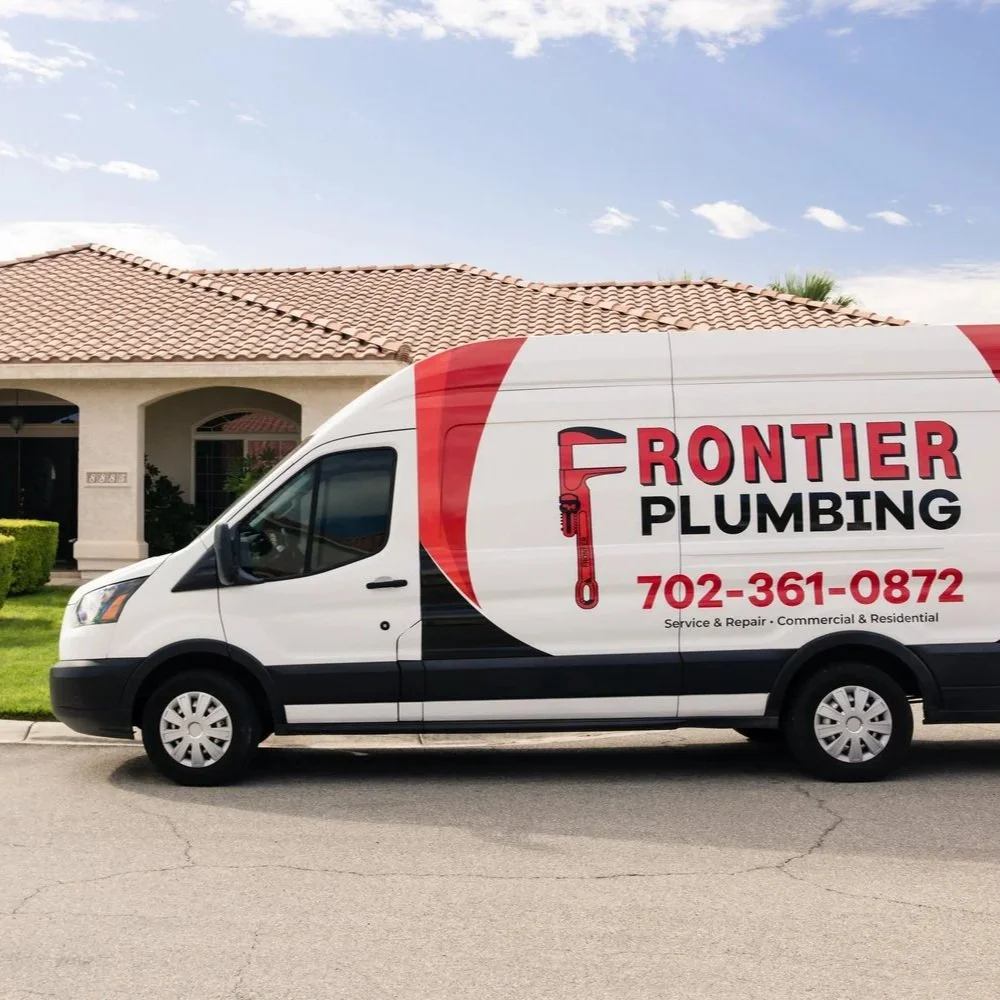
Water heater repair or replacement becomes essential when taps turn cold and heaters start acting like oversized kettles with commitment issues.
Hot water tends to be one of those household luxuries people don’t think about—until it vanishes. A malfunctioning water heater isn’t just an inconvenience. It affects laundry, showers, dishes, and daily routines that hinge on consistent access to warm water. Water heater repair or replacement becomes essential when taps turn cold and heaters start acting like oversized kettles with commitment issues.
Small Signs That Heat Is Slipping Away
Water heaters rarely break down without leaving clues. Lukewarm showers, slow recovery times, and strange noises often lead the parade. Tapping, popping, or rumbling sounds point to sediment buildup inside the tank. As that layer thickens, it insulates the heating element from the water, reducing efficiency and straining the system.
Discolored water flowing from hot taps sometimes signals rust inside the tank. If the color leans brown or smells metallic, corrosion could be chewing away at the inner lining. Minor leaks around the base hint at internal damage or a failing pressure relief valve. These subtle indicators make it clear the water heater wants attention before it gives up entirely.
Aging Units Show Their True Colors
Water heaters don’t live forever. Most models serve their purpose for eight to twelve years, depending on usage and maintenance. As they age, internal components wear down, energy efficiency drops, and repairs become more frequent.
An older water heater that regularly needs service may be circling the drain. Replacement often makes more sense financially and practically than trying to nurse a tired unit through another winter. Modern models offer better insulation, faster recovery times, and safer designs that handle daily demands without complaining.
Repairs That Bring the Heat Back
Not every hot water hiccup requires a new unit. Many issues are resolved with straightforward repairs. Replacing a faulty thermostat restores accurate temperature control. A new heating element revives water temperature without the cost of full replacement. Drain and flush services remove sediment buildup, extending the heater’s life and restoring efficiency.
Small leaks from fittings, valves, or loose connections often need tightening or part replacement. When addressed early, these fixes offer fast results and keep the heater running like it should.
Efficiency Takes a Hit With Neglect
A neglected water heater slowly transforms into a power-hungry appliance. Sediment forces it to work harder, consuming more energy while producing less heat. Heating elements operate longer and at higher temperatures, leading to faster wear and higher bills.
Regular maintenance breathes new life into the system. Flushing the tank, inspecting valves, and testing pressure controls prevent costly breakdowns and maintain performance. In homes where hot water demand stays high, routine service makes a big difference in energy use and comfort.
Water Pressure and Temperature Fluctuations Reveal Trouble
Uneven water pressure or unexpected temperature swings can trace back to the water heater. Mineral buildup or faulty mixing valves interrupt consistent flow, creating unpredictable showers and faucet behavior. Sometimes the pressure relief valve malfunctions, releasing hot water unnecessarily and reducing available volume for the household.
Addressing these inconsistencies brings stability back to the plumbing system. A thorough inspection identifies the exact cause, and targeted repairs restore smooth, predictable water delivery throughout the home.
Tank Versus Tankless: Picking a Side
When replacement becomes necessary, homeowners face a classic choice—stick with a tank-style heater or switch to tankless. Traditional models store water and maintain temperature continuously. Tankless systems heat water on demand, offering energy savings and never-ending hot water for those who use it wisely.
Each style offers benefits. Tank models suit homes with steady but moderate hot water usage. Tankless systems shine in households with high demand or limited space. Evaluating usage patterns and space constraints helps determine the better option for reliable long-term performance.
Leaks Deserve Swift Attention
Water leaking from the heater doesn’t usually announce itself with fanfare. A small puddle near the base or moisture on nearby walls often appears first. Those leaks may come from a corroded tank, cracked fittings, or high pressure inside the system. Left unattended, they soak the flooring, damage the walls, and invite mold.
Once identified, leak sources can often be repaired if caught early. In cases where the tank itself fails, replacement becomes the only path forward. Acting quickly limits the collateral damage and protects the surrounding structure from unnecessary repairs.
Pilot Lights and Electric Panels Can Misbehave
Gas-powered heaters sometimes stop working due to pilot light issues. A dirty or worn thermocouple might stop detecting the flame, cutting off gas flow entirely. Relighting may solve the problem temporarily, but frequent outages indicate deeper issues needing repair or part replacement.
Electric models often face circuit problems. A failed thermostat or heating element trips the breaker, stopping the system cold. Testing each component reveals the weak link, allowing technicians to restore function without guesswork.
Strange Sounds Mean the Heater’s Talking
Bubbling, popping, or high-pitched noises coming from the tank rarely mean good things. As sediment builds on the bottom of the tank, it traps small pockets of water that steam and pop when heated. That not only creates noise but also damages the tank’s interior over time.
Addressing the noise often starts with a full tank flush. If the buildup has hardened, the heating element may need replacement. In severe cases, the tank interior begins to degrade, pointing toward the need for a complete unit swap.
Safety Features Matter More Than Most Realize
Modern water heaters include safety features that prevent pressure buildup, scalding, and fire risks. The temperature and pressure relief valve works as a critical failsafe. When this valve malfunctions, internal pressure can spike dangerously. Gas heaters with poor ventilation or dirty burners increase the risk of carbon monoxide exposure.
Routine inspections check all safety features and ventilation paths, identifying weaknesses before they turn into hazards. Upgrading an older unit brings those features into the present, offering ease with every warm shower.
Cold Weather Pushes Units to Their Limits
Winter months put water heaters to the test. Cold incoming water requires more energy to heat, increasing runtime and wear on the system. If the heater struggles to meet demand during colder seasons, it might be running on borrowed time.
Preventive maintenance in the fall helps prepare for the seasonal surge. Replacing worn parts, flushing sediment, and checking thermostats give heaters a better shot at keeping up when temperatures drop.
Upgrading to Match Household Growth
Hot water usage evolves. Families grow, routines change, and water demands shift. A water heater that once served a small household may fall short when more people enter the mix. Running out of hot water during back-to-back showers or dishwashing marathons becomes the norm rather than the exception.
Upgrading to a larger tank or a more powerful tankless system adapts the plumbing to fit modern needs. That change makes life smoother and prevents the daily hot water lottery from turning into a competition.
Restoring Comfort With Reliable Hot Water
Reliable access to hot water keeps life flowing. From morning showers to late-night dishwashing, it supports routines people rarely stop to appreciate—until the heater starts to stumble. Whether through targeted repair or full replacement, professional water heater services bring comfort back to the forefront.
By spotting the signs early and taking action with confidence, homeowners preserve efficiency, protect plumbing systems, and say goodbye to cold showers that come as a surprise when least expected. Water heater repair or replacement doesn’t just fix a machine—it restores the rhythm of the household.
Frontier Plumbing has over four decades of experience offering water heater repair or replacement, water filtration, water softeners, and shower valves and trim services. Our certified and experienced plumbers guarantee excellent workmanship at competitive prices. As a second-generation family-owned and operated plumbing company, our team goes above and beyond to ensure the highest level of customer satisfaction. Call today!