
Professional Techniques for Gas Line Piping and Installation
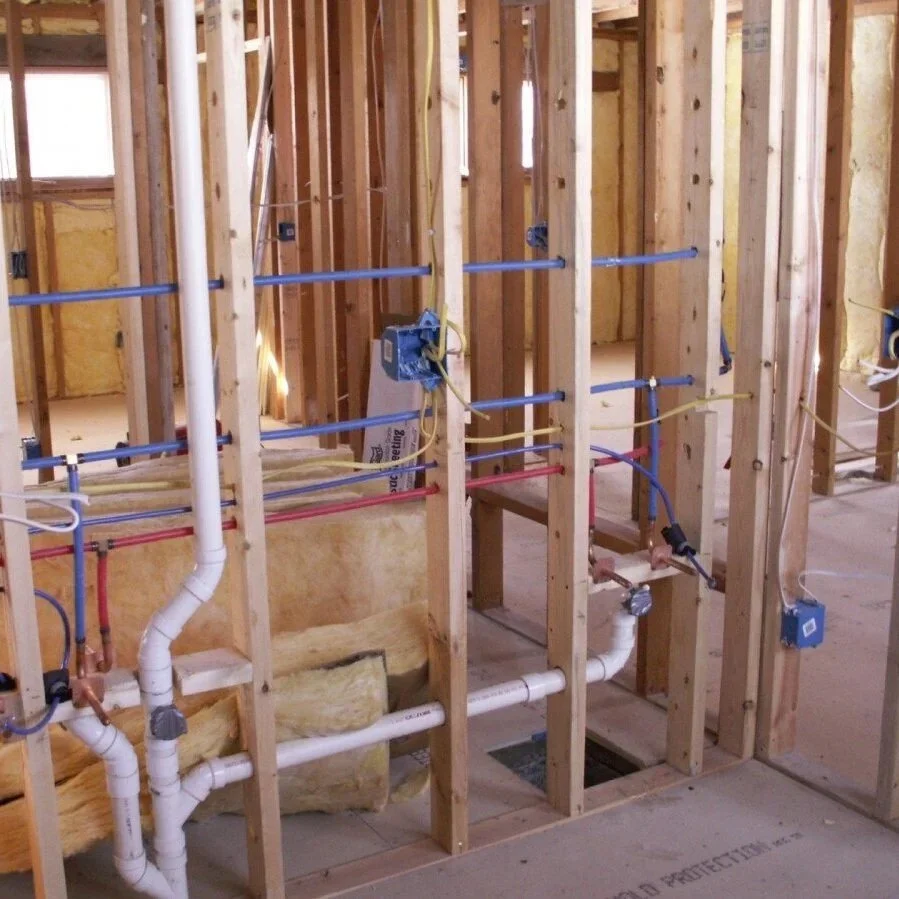
While some home improvement projects leave room for creativity, gas line installation is not one of them.
Proper gas line piping and installation takes more than a wrench and a weekend of DIY enthusiasm. It demands a strategic approach, precision in measurement, and a whole lot of respect for safety. While some home improvement projects leave room for creativity, gas line installation is not one of them. Professional techniques don’t just make the process smoother—they help protect homes, businesses, and lives.
Planning That Leaves No Elbow Room For Error
Any solid gas line installation starts with a well-thought-out plan. Before a single pipe is laid, technicians map out the entire route of the gas line. The plan must account for appliance placement, property boundaries, and local codes that dictate how deep pipes must be buried and how far they need to stay from electrical conduits, water lines, and foundation slabs.
Planning also means anticipating potential issues. Soil type, building materials, and climate can all affect the durability and lifespan of a gas line. In a high-clay area with frequent ground shifts, flexible piping may perform better than rigid steel. In homes where fireplaces, dryers, ovens, and outdoor grills all want a slice of the gas pie, load calculations keep everything flowing without hiccups.
Pipe Selection With Purpose
Choosing the right pipe for the job is as much about safety as it is about performance. Professionals often work with several types of piping materials depending on the application. Black steel remains the go-to for many interior gas lines. It’s sturdy, long-lasting, and fire-resistant. However, it’s also heavy, rigid, and prone to rust if left untreated.
For underground or outdoor installations, corrugated stainless steel tubing (CSST) and polyethylene (PE) piping often steal the spotlight. PE gas pipes come in bright colors and flex like a yoga instructor, making them ideal for snaking around obstacles without slicing through half the backyard. CSST, on the other hand, excels in tight spaces inside walls or ceilings where maneuverability is more valuable than brute strength.
Pipe sizing matters, too. Undersized lines may starve appliances of fuel, leading to poor performance or dangerous leaks. Oversized lines aren’t necessarily hazardous, but they can be a budget buster and may create a pressure imbalance. Professional installers use sizing charts and load calculations to strike the perfect balance.
Fittings That Fit More Than Just Threads
A perfectly cut pipe still won’t work without the right fittings. Elbows, tees, couplings, and unions connect each segment of pipe with purpose. Every fitting must match the pipe material and diameter, or it risks a loose connection that can leak gas or rupture under pressure.
Threaded joints, used commonly with black steel, demand a generous layer of pipe thread sealant—preferably a type rated specifically for gas lines. The old standby of plumber’s tape won’t always cut it here. Sealants prevent leaks while allowing the joints to tighten smoothly. Professionals apply sealant with a confident, steady hand. Too little won’t seal the joint. Too much might squeeze into the pipe and block gas flow.
For CSST installations, special manufacturer-approved fittings connect the flexible tubing to appliances and main supply lines. These require torque specifications and proper alignment, not a one-size-fits-all approach. Following manufacturer guidelines might sound like bedtime reading, but it’s critical to avoid pressure loss or internal damage.
Pressure Testing For Peace Of Mind
Before anyone fires up a cooktop or lights a fireplace, the entire system must pass a pressure test. Licensed professionals cap off all ends of the piping system, then introduce air pressure using a calibrated gauge. The system holds pressure for a set duration—often 15 minutes or longer. No pressure loss means no leaks. Even a tiny drop on the gauge sends the technician back to trace connections, retighten joints, or replace faulty fittings.
Pressure testing is more than just a formality—it’s a final check before gas ever enters the line. No shortcuts here. A rushed test can lead to catastrophic consequences, including explosions or carbon monoxide poisoning. Technicians rely on this test to validate every inch of pipe and every turn of the wrench.
Trenching With Precision
Outdoor gas lines usually travel underground to connect to outdoor appliances or reach new structures. Trenching may not sound glamorous, but it’s where much of the magic happens. A trench needs to be the right depth—typically at least 18 inches in many jurisdictions—to protect the line from damage by landscaping, animals, or curious shovels.
Technicians lay down a sand or gravel base to cushion the pipe, then place the line carefully without strain or twisting. Yellow caution tape is often added above the pipe before backfilling to alert future diggers. Every step counts toward making the installation last decades rather than years.
Smart trenching avoids existing utility lines. Pros always call for utility marking services before digging. That’s not a suggestion—it’s law in many places. The last thing anyone wants is a new gas line installation turning into a sudden neighborhood blackout because someone clipped an electrical conduit.
Appliance Hookups With A Touch Of Finesse
Hooking appliances to gas lines might seem like a simple task, but it requires finesse and familiarity with manufacturer requirements. Whether it’s a water heater, stove, dryer, or furnace, the connection must be secure, straight, and compliant.
Flexible appliance connectors, often made of stainless steel, are favored for their ease of installation and resistance to kinking. Shut-off valves should be accessible and installed within a safe distance of the appliance for emergency control. Pros never skip a leak check here—soapy water solutions or gas detectors can reveal even hairline leaks that might otherwise go unnoticed.
In commercial or multi-unit settings, regulators and meters often play a role in balancing gas pressure across multiple appliances. Precision tuning here can make the difference between flawless operation and a whole lot of pilot lights going out.
Compliance That Keeps Codes Happy
Gas line installation isn’t just a matter of function—it’s a matter of law. Professional technicians follow international and local building codes with religious devotion. Codes specify everything from acceptable materials to minimum trench depths and clearances around buildings. Inspections by licensed officials are not optional, and they can uncover issues no one spotted during installation.
Permitting might feel like a paperwork party no one wants to attend, but it protects both the property owner and the technician. Professionals who pull permits show a commitment to safety, legality, and accountability. Homeowners who skip permits risk voiding insurance coverage or facing fines down the line.
Upgrades And Retrofits Done Right
Sometimes gas lines aren’t being installed from scratch—they’re being upgraded or retrofitted to meet new demands. Adding a tankless water heater, backyard grill, or workshop heater can tax an existing system. Professionals evaluate whether the current system can handle the extra load or if a new supply line must be run.
Retrofitting may also involve replacing aging black iron pipes with newer materials like CSST or coated steel. In homes that date back several decades, original gas lines might lack proper shut-offs or isolation valves. Bringing these up to modern standards can transform a house from a ticking time bomb into a model of reliability.
The Human Side Of The Pipe Wrench
Behind every professional installation is a technician who knows the craft, takes pride in the work, and doesn’t mind becoming a little dirty in the process. These professionals blend muscle with know-how, working in crawl spaces, digging trenches, and double-checking pressure gauges—all while chatting with homeowners about weekend projects or the odd noise coming from the attic fan.
There’s an art to making something so essential seem invisible. Gas lines hide inside walls, under floors, and behind appliances, quietly doing their job while no one notices. When installed professionally, they don’t need attention. They don’t leak. They don’t hiss. They just power the daily routine, whether that’s cooking dinner or taking a hot shower on a winter morning.
Professional techniques for gas line piping and installation might not make headlines, but they’re foundational to a safe and comfortable home. Every fitting, every valve, and every pressure test reflects a process built on skill, experience, and a whole lot of attention to detail.
Frontier Plumbing of Las Vegas is a full-service commercial and residential plumbing company offering a full spectrum of plumbing services. We are determined to exceed your expectations!